My Start With Film Photography
I've been messing around with film photography lately. I want to talk a little bit about how I got started (as in, what interested me in it), how I got started (as in, literally, practicaly how does one begin taking photos) and what I've gotten out of the experience.
What Got Me Interested: Videogames
Recently, I played Umurangi Generation as part of an ongoing videogame book club that one of my friends is running.
A level on Umurangi Generation looks like this:
- You're dropped into a level with no context of where you are or what's going on
- You're given a list of things you need to take photos of
- Off you go!
There's no combat and no way to lose. You're given a score about how well lit your photo is or if you manage to get the subject cantered but as the game takes pains to point out - it doesn't score you on how artistic your photos are.
And I absolutely loved it. 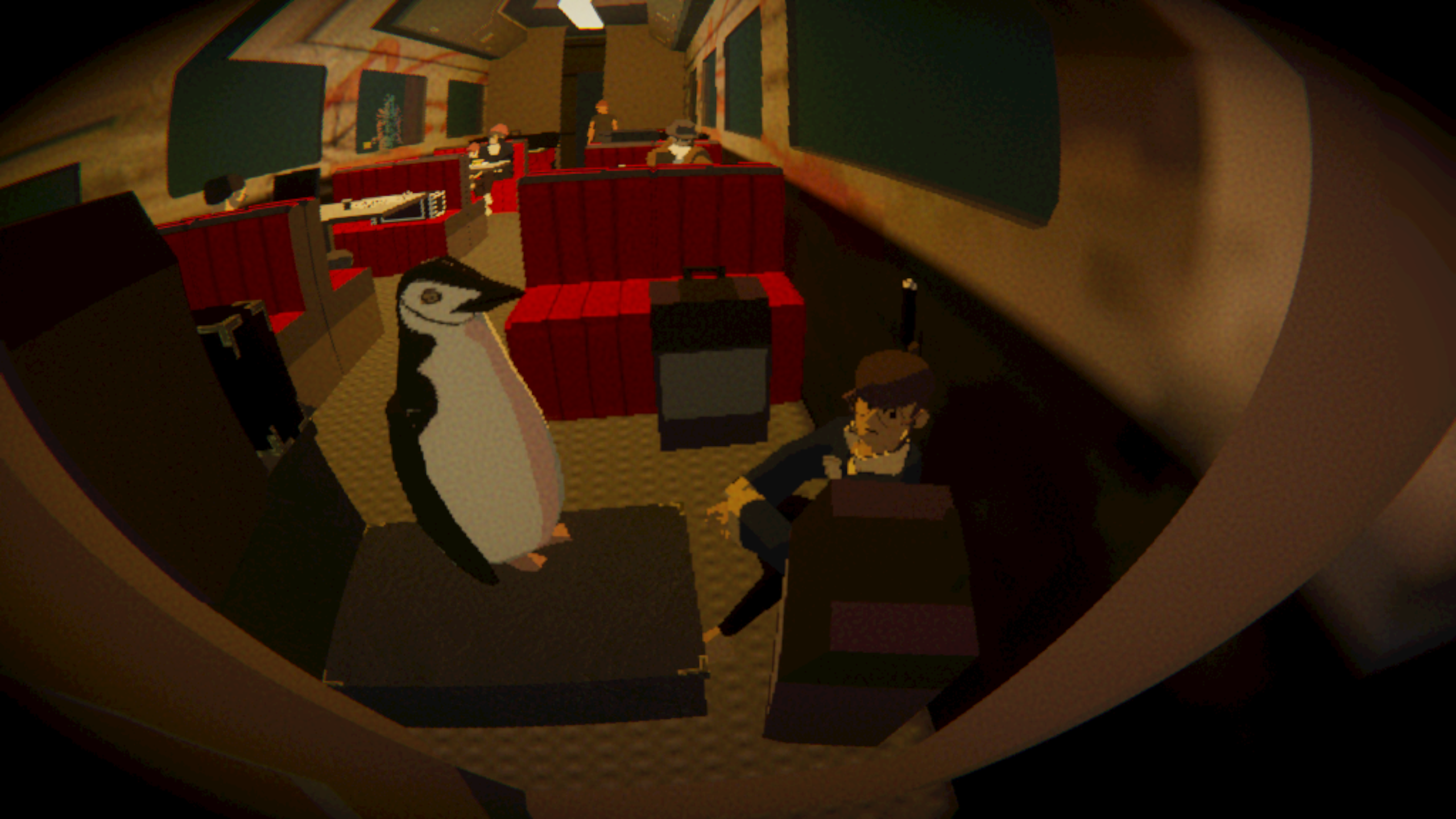
I loved moving my virtual body so that I could frame the shot in interesting ways. 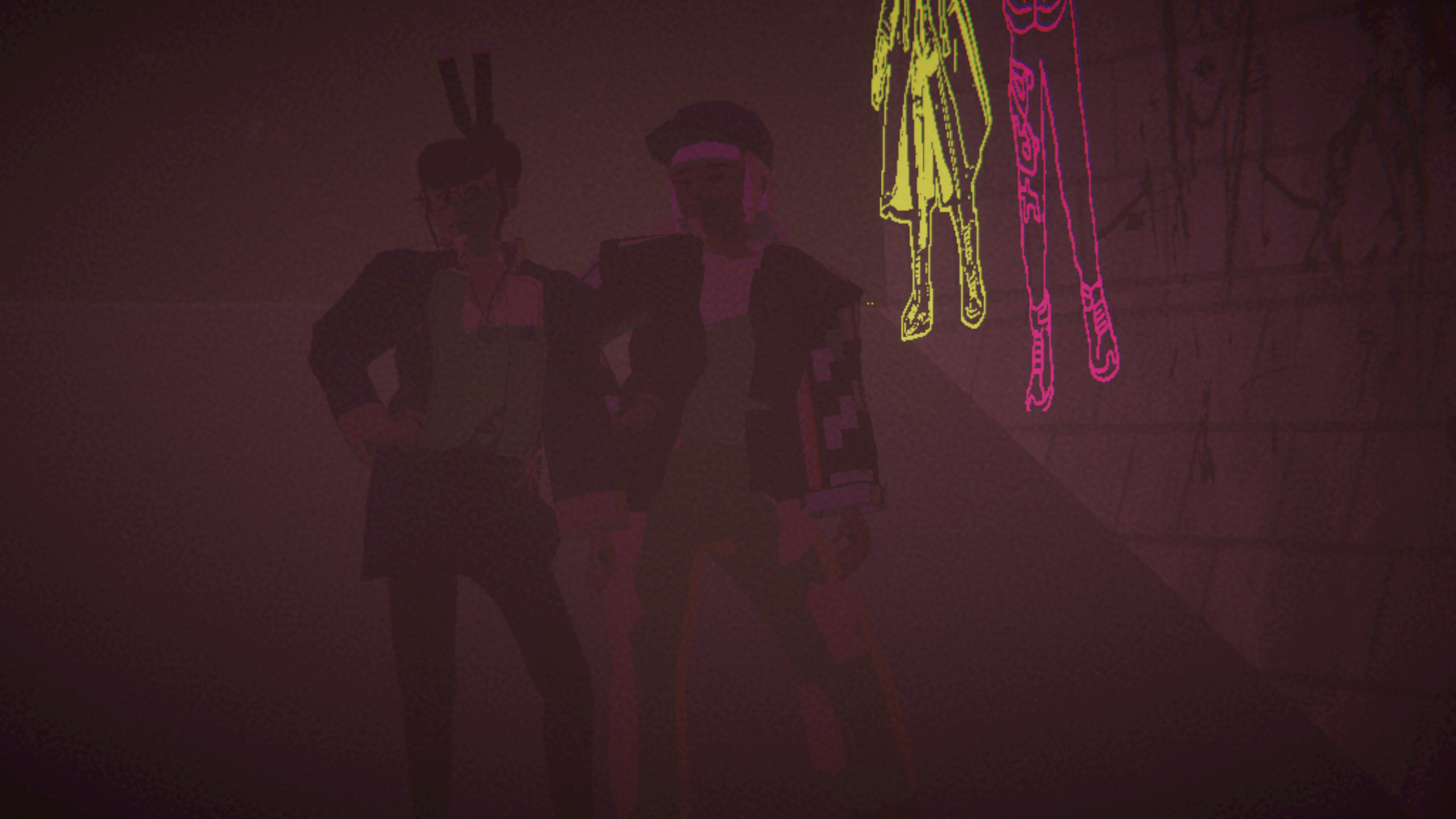
I loved finding the capturing the little stories with the pictures. 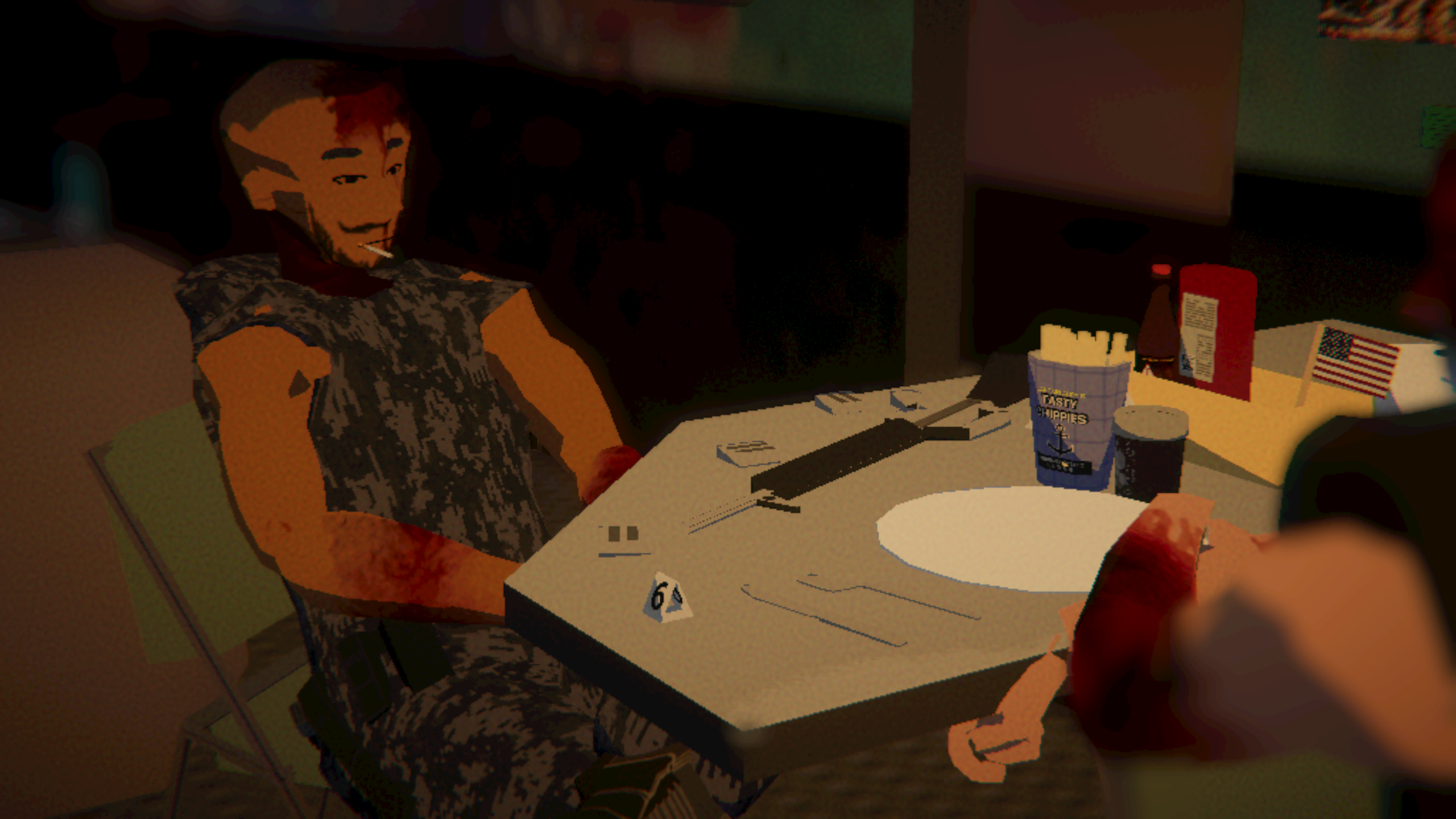
And it turns out that I really like the fisheye lens. 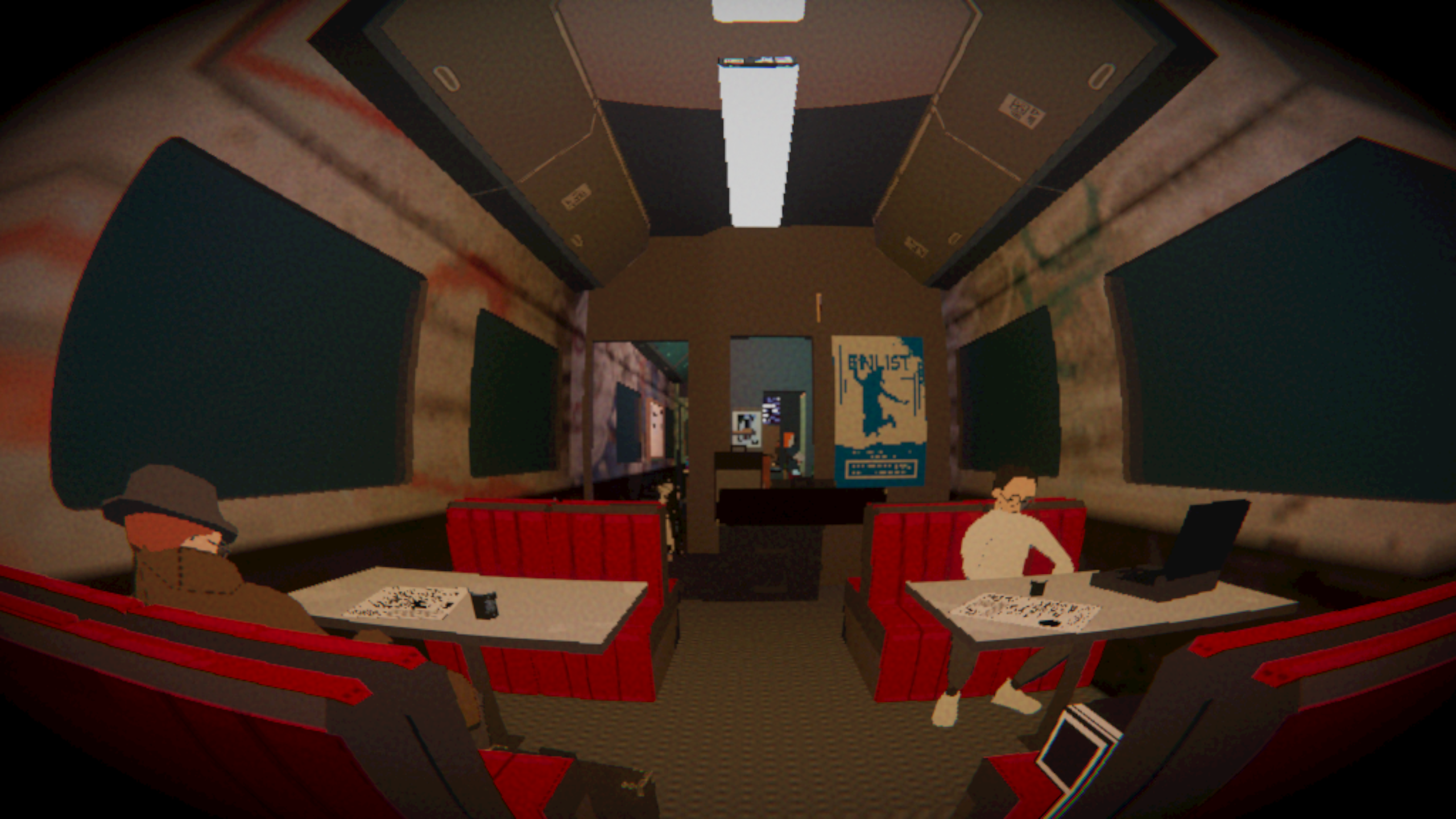
When we had the videogame book club talk I was saying to my friends about how much I'd always had an interest in photography, but I'd always felt like I was stuck in a catch-22. I felt like it wasn't worth going out and trying to take photos until I had a camera - and I felt like I couldn't justify buying a camera until I was taking photos. This take was wrong in two ways:
- A buddy of mine pointed out that you can get a simple point and shoot film camera for around $50 AUD.
- In 2025 you don't actually need any kind of camera to get started. My buddy said to me that as long as you're moving your body around and thinking about how you're staging the shot, you're doing photography.
Getting Started with Film: The Point and Shoot
This really got myself and someone else in the call interested and before the week was out we'd both bought a kodak m38. This is a very simple camera (it's literally called a point and shoot) that looks like the kind of thing that your parents might have used in the early 90s.
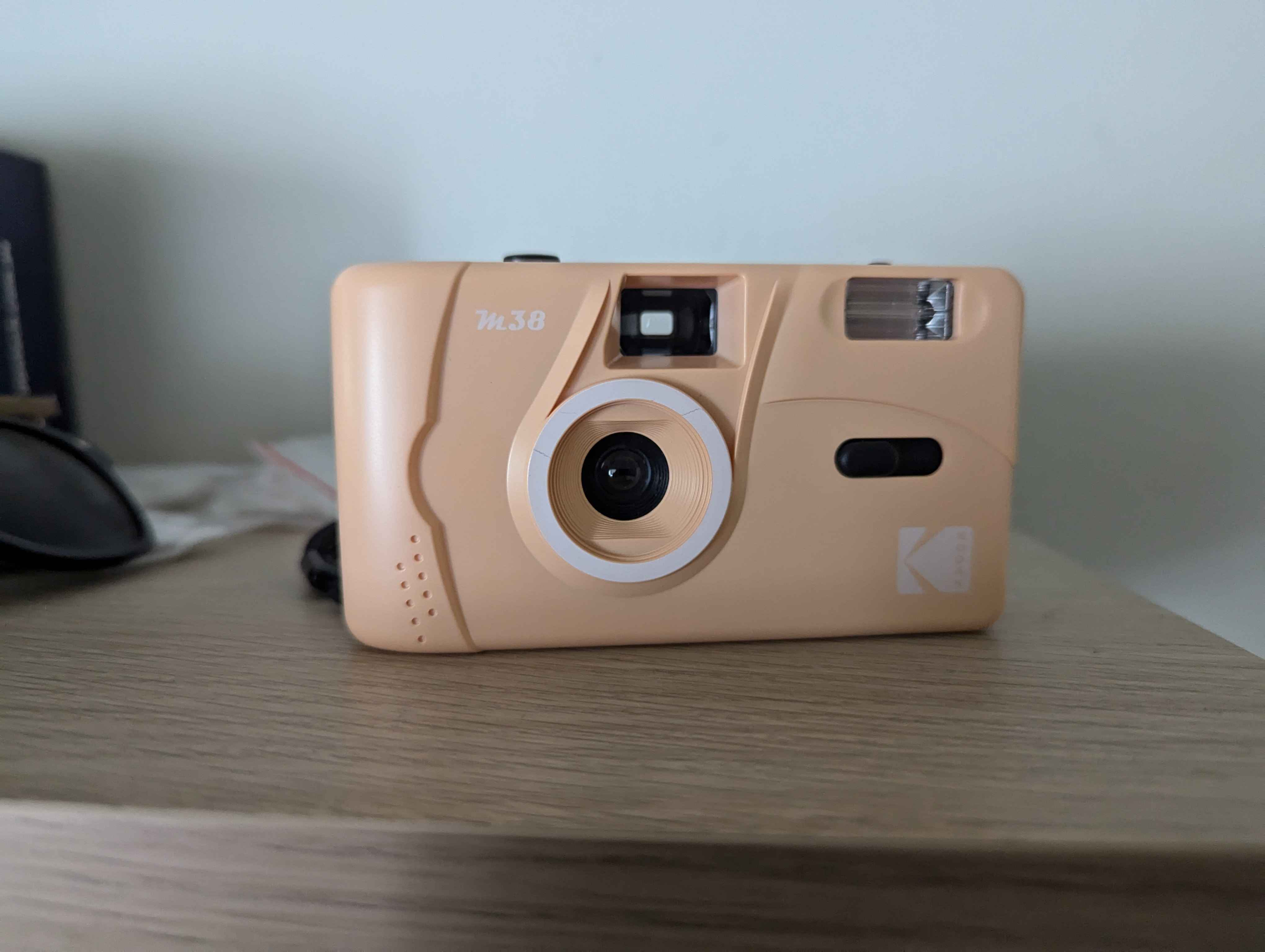
And it's dead simple: you load it up with some film, you point it at the thing you want to take the photo of, and you push the button. Using this you can get some really nice, nostalgic looking photos. You don't need to change the focus or mess around with any kinds of settings (and in fact, you can't).
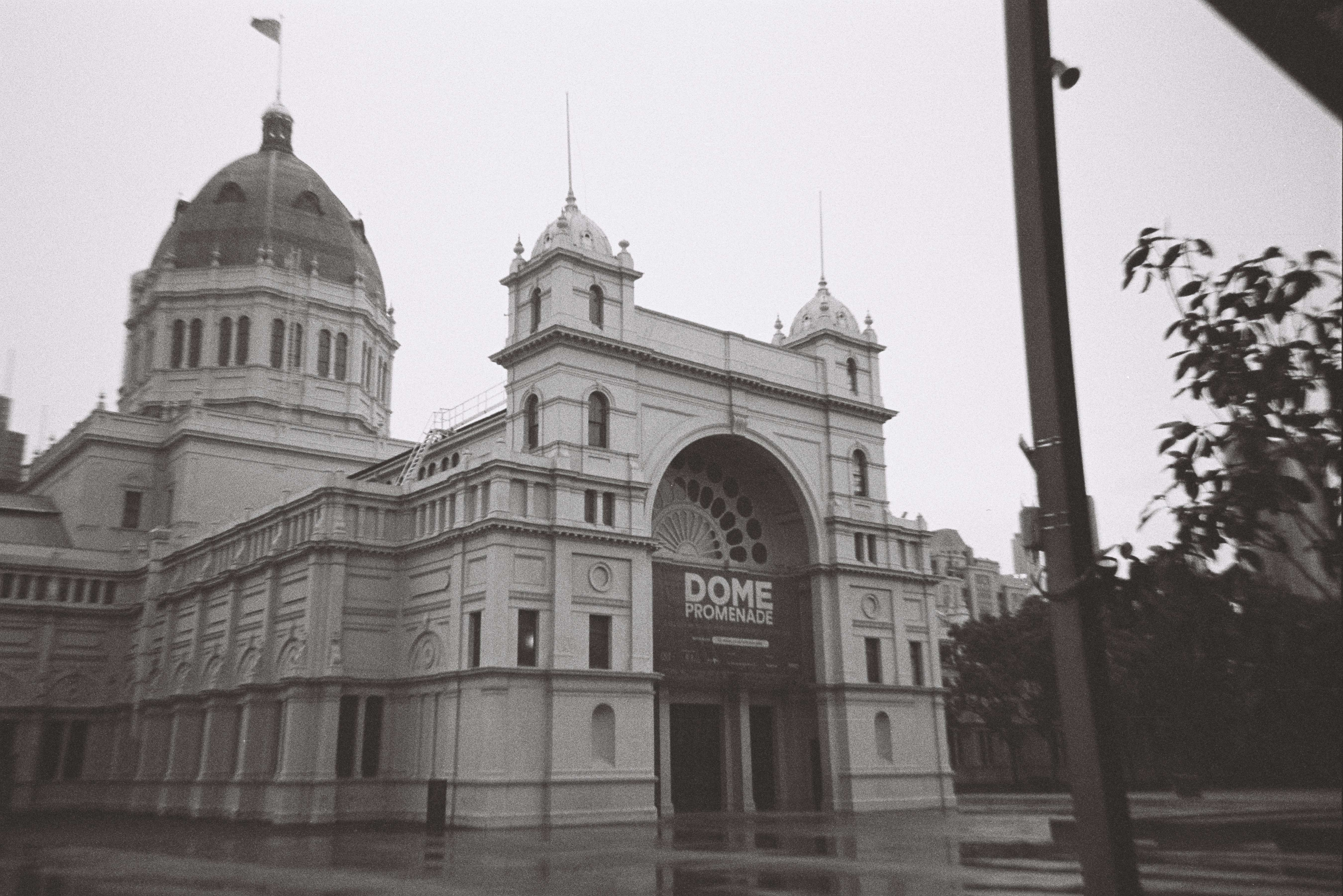
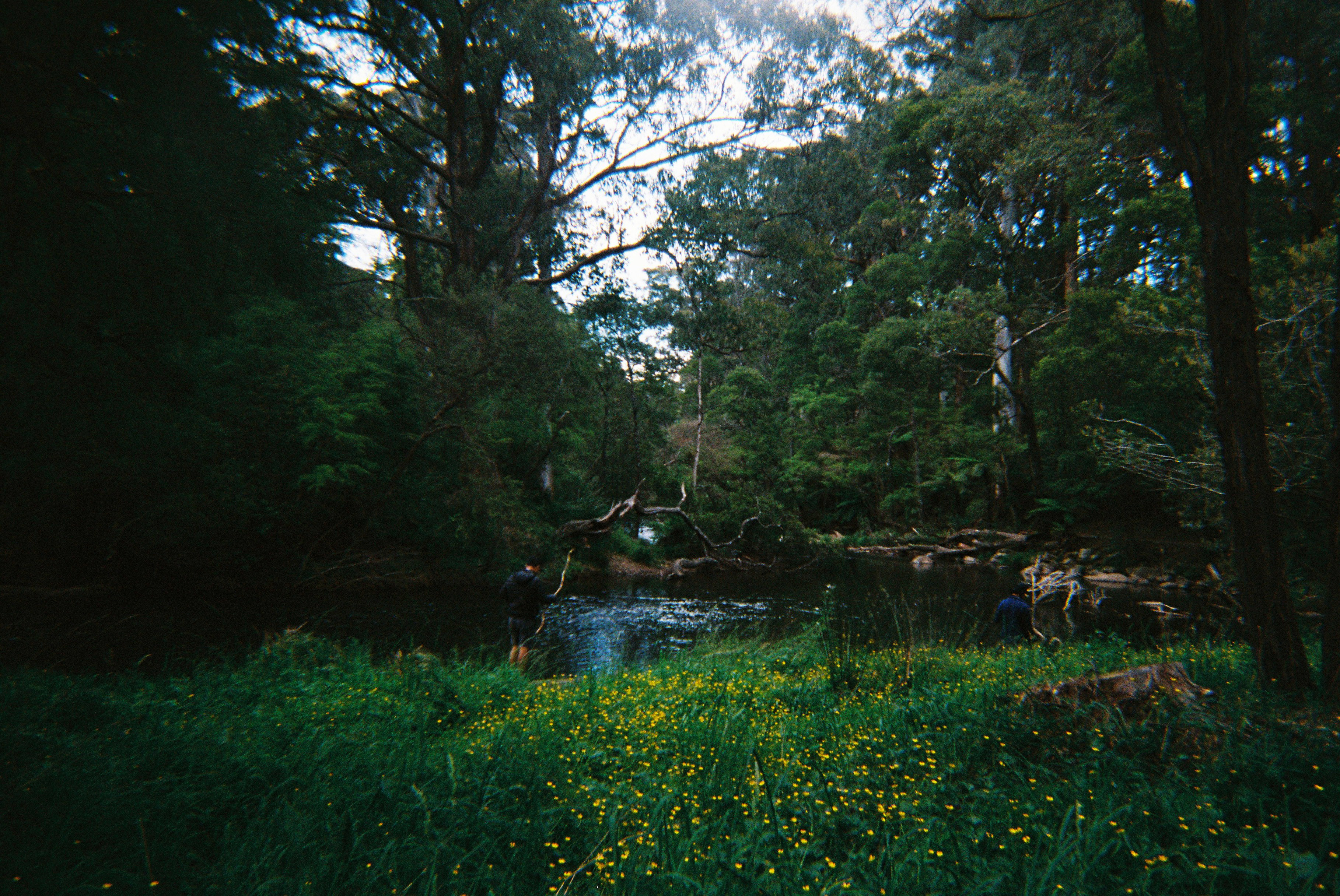
Unfortunately it turns out that in 2025 actually getting film developed is a huge pain in the arse, even in a city with the hipster tendencies of Melbourne. Gone are the days that kmart or random pharmacies would develop film. The first camera shop I tried took a full month to get my film developed, the next one was a single person operation, so when he got sick my film languished again. In addition to delays, sometimes things go wrong - one of my rolls of film came off the spool inside the camera and I missed several shots worth of film in it. I don't think any photos failed to take but a lot of the film got wasted (and it's not cheap). My friend who got her camera at the same time as me had her first three rolls of film come out completely blank - totally burning her from the entire hobby and now she's dropped it.
And after you go through all of this messing around with expensive film, expensive development, carrying around another piece of gear and the risk of something going wrong - obviously these photos aren't in any better quality than what I could take with my phone camera - so why bother going through with all of this?
So why bother going through all of this??
1. Film is Different to Digital
So - yes, the quality of the shot is worse, you can't see as much detail, it can get a bit blurry. But it's undeniable that there's a different quality to the photos taken with film. You can maybe use some kind of filter on your phone and get a similar effect but it won't be 100% the same. For instance, film loves to be exposed to lots of light - while it's of course possible to blow our your photos by over exposing them, it's much harder than it is with digital cameras, especially the ones on your phone.
2. I Don't Trust My Phone Anymore
You might have seen the story from a little while ago about how sony phones are faking pictures of the moon. I'm sure we've all had the experience of taking a photo, then the camera does some kind of post processing and the colours all change or it invents some detail that wasn't there. I've taken a series of selfies with a person and then had my phone combine two pictures of us into a single photo of the "best one", I've been getting these ads on youtube for features on new phones where you can edit out people in the background of photos.
Basically - I don't trust that my phone is showing me reality anymore.
And I get it - no photo is reality. The lens distorts the photo, the light and colours aren't capture the way the eye sees the world, even human sight isn't really seeing everything at once and our brain is rapidly covering up the differences without us noticing. But enough weird stuff has been going on with my phone that I no longer trust it to accurately take photos.
3. Carring Around a Camera Adds Intentionality
When you're carring around a camera your perspective changes and you're looking around thinking about what would be a good photo. Maybe you can achieve the same thing with a phone just be shifting your intentions but I've found that having a seperate object to remind me is extremely helpful.
4. As much as having photos developed sucks - having photos developed rules
Takking 36 photos over the course of a few days, a week or a month - not getting to see them, and then getting them all at once is extremely exciting. Getting the dropbox link to your photos is almost like getting a gift for yourself, it makes the experience so exciting.
So what's next?
Now that I've developed a few rolls of film with my point and shoot I wanted to continue experimenting with different methods, so I decided to get myself an SLR. That stands for "single lens reflex" but basically, it's what comes to mind when you picture a photography camera. The main reasons you'd want one these is:
You can swap the lenses out
This allows you to get different effects with your photos. If you remember back to my experimentations in the game Umurangi Generations, I really enjoyed playing with the fisheye lens. Having an SLR lets me experiement with that, with lens of different focal length to make subjects in a photo appear differently, or allow me to change how large the focus area of the camera is (how much of the image appears sharp and how much appears blurry).
You can manually adjust the settings
When using an SLR the two main settings you can adjust are shutter speed and appature.
The shutter speed determines how long the camera stays open when you take a photo. You can have it stay open for an extremely short time to take a picture of something moving quickly, you can have it stay open a little longer if you want the image to have a soft motion effect, you can have the shutter stay open longer if it's a bit dark and you want the photo to appear lighter or extremely long if you want to take some kind of cool night sky photography.
The appature controls how wide the hole in your camera is when you take a photo. If it's wide the photo will be brighter and if it's more narrow the photo will appear more dim. You can use this in conjunction with your shutter speed to make the photo be the correct correct exposure.
If your camera is digital you can also change your ISO - without getting into the science this is how sensitive the photo is to light. The lower the ISO the more sensitive the photo will be and the higher quality. Digital cameras can change this dynamically but film cameras have their ISO set by the film that's inside them.
This video really helped me understand how all of this works and even if I don't fully get it yet, it helped at least give me the language to talk about these things. Even if you don't want to get into photography yourself I'd highly recommend watching this video to get an understanding of what kinds of things photographers are thinking about.
What camera did I end up getting?
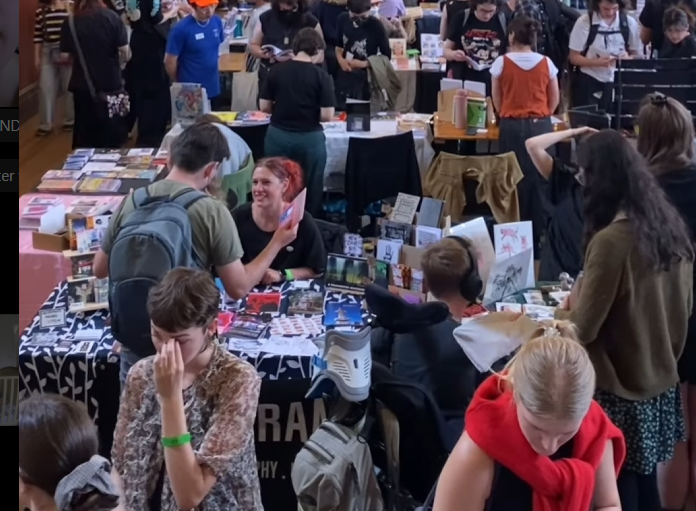
While I was at a zine festival I got chatting with one of the stall runners and we got talking about photography. It turns out there's a big camera market on in Melbourne twice a year, but it's mostly older folks running the show so it's barely advertised online. I actually found footage of this conversation on a tiktok as someone recorded of the event. I'm the one on the left waving my arms around.
 .
.
They said this would be a really good chance to go and have a chat with some older folk and get some opinions about which camera I should start with.
It was an absolute disaster.
The event was absurdly popular, I don't know how people found out about it but it but the hall was so full I could barely walk around. Secondly I kept on getting strange advice from people as I'd spark up conversations. Maybe I was selling myself short but when I told them I was new to photography they would then speak to me like I'd never seen a camera before. To the level of "film goes in the back, you look through the view finder, then press the shoot button", I found it really frustrating. And even the people I could have a proper conversation with were recommending me cameras that had limited capabilities as a "starter camera" so I wouldn't get overwhelmed with all the options. I want to get overwhelmed and experience all the options! That's why I'm here instead of just bopping around taking photos with my phone.
I left that market feeling really down.
Well, what camera did I end up getting??
After doing a bit of research I got myself a Canon EOS 500 (called Canon Rebel overseas). This was the perfect camera for me, it's on the modern end for film cameras so it has a lot of features to help you take a good photo. In fact (and this is key) - if you just put it into auto mode it will adjust the focus, shutter speed and apature for you so that you get a well exposed photo. You can of course do all of this manually (and it'll provide guidence on what levels you should have for the light in the frame) but you can pretty easily hand this to someone and they'll take a nice photo.
I could totally eat my words on all of this of course, because I haven't had a full roll developed from this camera yet so it might even be a total dud.
With this, I also got a 28-80mm zoom lens. Zoom means that the focal length can be changed - from 28mm to 80mm with 50mm being considered the normal portrait length. The zoom aspect means that it won't be as clear as a "prime" lens (that is, a lens that doesn't change the focal length), but for someone like me that's just starting and wants to experiement, I think that's perfect.
What's next?
Well, now I take a bunch of pictures and see how I like them! I recently picked up a few specialty rolls of film from a local shop in Melbourne and I'm keen to see how they work out. A friend of mine said he found an old telephoto lens from his grandparents when cleaning his house so maybe I'll see if I can find a way to attach that to my camera and take some pictures.
Ultimately though, the advice I got from my original photography friend was this - as long as you're moving your body around to get an interesting photo or being intentional in framing your pictures, you're doing photography. You don't actually need any gear at all, if you carry around your phone and keep an eye out for interesting scenes you're doing photography.
I'd love to hear about other people's experiences with getting started with photography or ideas for things that I should try next. I know a few people who've gotten started with it recently so it's clear I'm not the only one whos interested in doing things the hard way.